
More Sea Than Tar
“But sooner or later, we’re all going to fall, because we can only stand so tall before we’re sinking: to our legs, to our knees, to our torsos, to our heads. Till there’s nothing left and we breathe in particle dust and water that draws too much like ogbono soup. Water that’s mixed with the…

Photo: Grant Galbraith
References
Cédric Courtois. 2021. “Into the mutation”: Osahon Ize-Iyamu’s “More Sea than Tar” (2019) as Climate Fiction. In Other Worlds: Imagining What Comes Next.
Suggested discussion points
- Is the sodden, unpredictable, often corrupt landscape of the story a good metaphor for scientific methodologies, theories and tools that we use? Where does that metaphor illuminate, and where does it break down?
- How does the story’s toxic mutability help us think about compound risks, where flooding, pollution, disease, infrastructure failure, and inequality intensify one another?
- The father undertakes the canoe trip driven by more than the practicalities of survival. How does this story help us understand gender roles, especially masculinity, and climate resilience?
- Can the viscosity in the surrealism-inflected language of the story transform the slow violence of environmental disasters into a more visceral form of temporality we can grasp? Can stories alter our sense of climate time and foster urgency for climate action?
Related stories

Where there’s smoke
The story features an ambitious young environmental studies graduate, who is keen and eager to…
A Shadow in the Sun
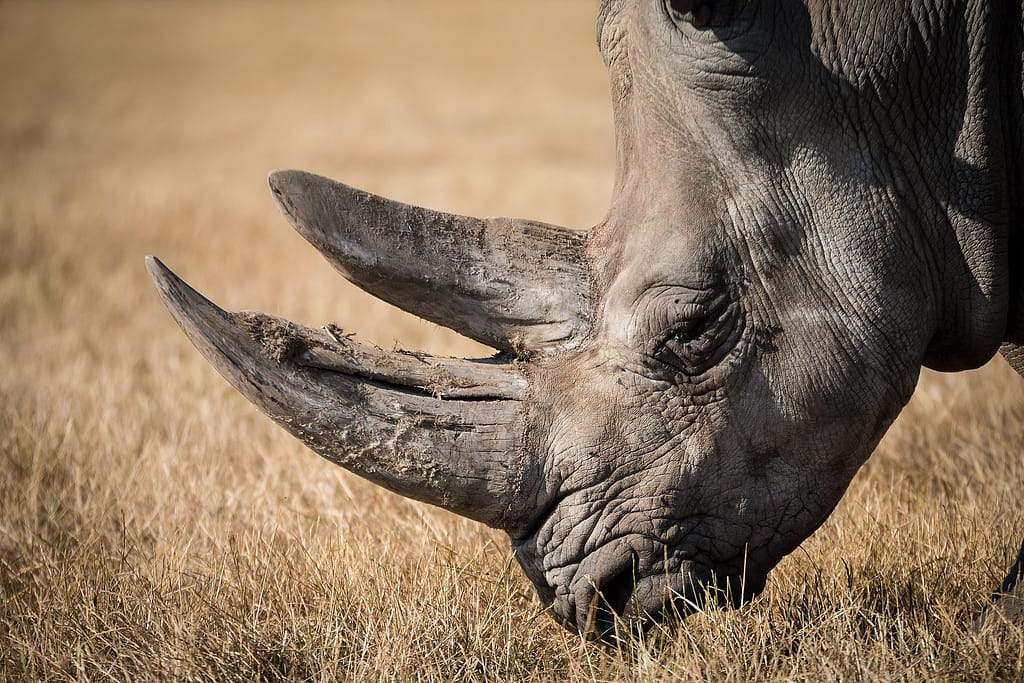
“Here we are. Six magnificent black rhinos, muscles rippling under thick, wrinkled hides – the…

We Begin Where Infinity Ends
“We Begin Where Infinity Ends” is a Mundane science fiction (MSF). It is a term…