
A Little History of Things Lost & Found
Alternative Ways of Knowing Cities Colonialism Culture & Society Environment & Climate Ethics & Governance Toolkit Stories
‘The whispers picked up, then receded, a cascade in the air. You already forgot us. Like every other human. Cut us down, betrayed us, forgot us. Leave what is ours and go. “Peace,” Muta pleaded. “I have not forgotten you.”’
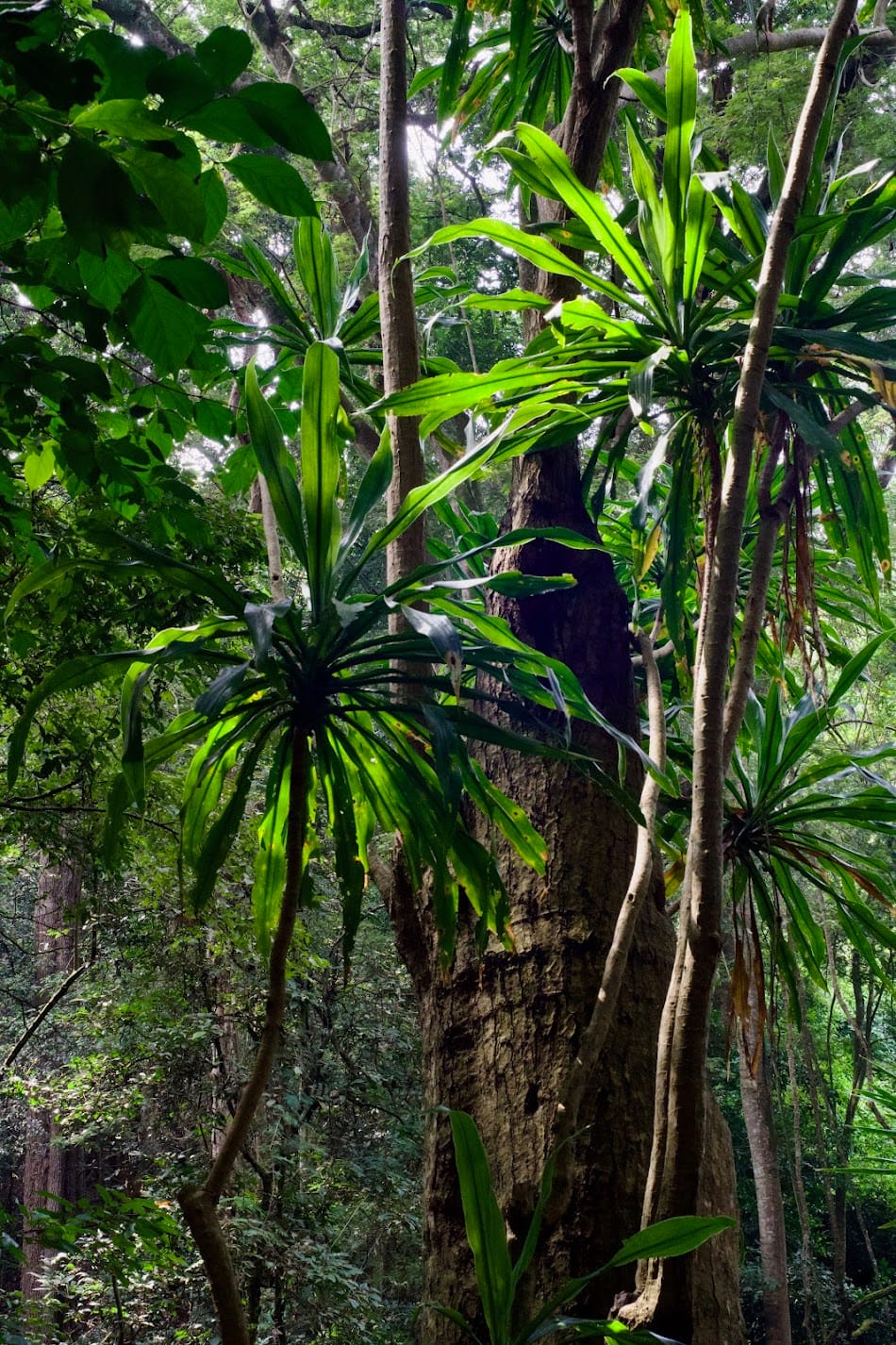
Photo: Grant Galbraith
Suggested discussion points
- How is archaeology portrayed in the story, and is it relevant to contemporary research?
- Consider this quote, “The things that were never lost, we hid well,” in relation to data or research colonialism today. What should stay hidden?
- What can be shared? What insights does the story offer on carbon offsetting?
- The trees render many services in the story, which resonated with you most?
- How does this story make the concept of ‘relational values’, ‘existence values’, and ‘use values’ palpable?
- Ecological grief vs. nature as a healer: ‘We watched you give us away in pieces in service of your gods. Hiding your treachery behind “national development.’ What else are we hiding behind “development” rhetoric?
- ‘Heh, cities are not built for being.’/ ‘The forest is always grieving.’ — Are ‘green/sponge/eco- cities’ the answer? ‘ Reconciliation requires more than words.’ What does it take? How do we reconnect to trees (nature)?
Related stories
Challenges to Becoming a Pro Dragonracer in Apapa-Downtown
“Dragons’ growth rates are mad slow.
You hatch the egg and think you can go pro…
A Dream of Electric Mothers
‘Baba Yemi holds up his finger and flicks it once like it is a lever….

Rusties
“From that day on, Rusty Ndege and I seemed to have a special bond, me…